








Future Trends in Scrap Metal Recycling Integrated with Advanced AI and Mathematical Principles

Scrap metal recycling is on the brink of transformation, driven by advancements in artificial intelligence (AI), quantum computing, and complex mathematical models. These emerging technologies promise to revolutionize sorting efficiency, resource recovery, and global sustainability. Below is a detailed exploration of how theoretical and technological innovations could shape the future of metal recycling.

1. AI-Driven Sorting and Optimization

  1. Advanced Sorting Algorithms

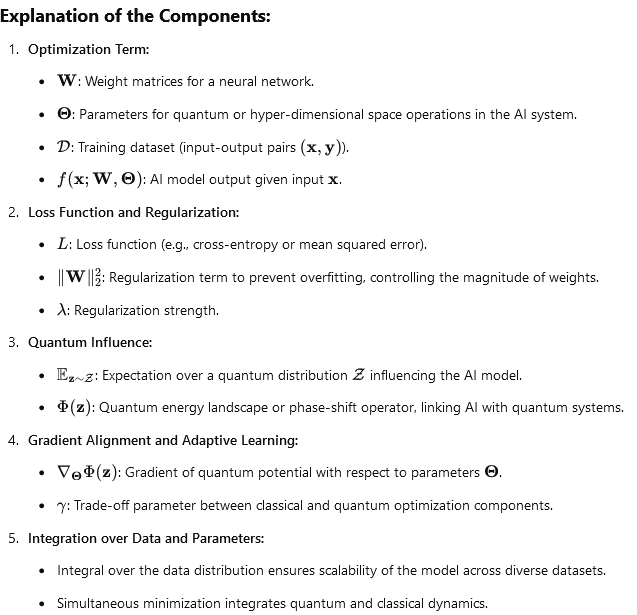
    • Using neural network-based loss functions optimized by the following enhanced equation:
    • These algorithms can process and classify complex waste streams with unprecedented precision, sorting ferrous and non-ferrous metals and even rare earth elements.
  • Robotic Sorting with Reinforcement Learning

    • Robots guided by reinforcement learning optimize actions based on real-time feedback.
    • Equation in Practice:
    • Robots adapt dynamically to varying waste compositions, improving recovery rates and reducing operational costs.

2. Quantum Mechanics for Material Identification

  1. Quantum Sensors for Precise Material Detection

    • Quantum sensors use Schrödinger-based dynamics to detect subtle differences in material composition, such as isotopic variations in metals:
    • Applications: Extracting rare earth elements (e.g., neodymium, dysprosium) from e-waste with high accuracy.
  1. Quantum Optimization for Supply Chains

    • Quantum algorithms improve the efficiency of global recycling networks by solving multi-variable logistical problems faster than classical systems.

3. Multi-Agent Recycling Systems

  1. Collaborative AI Agents

    • Multiple AI agents, modeled using game theory, coordinate to optimize recycling at a systems level:
    • Example: Recycling facilities communicate in real-time to share resources and distribute workloads.
  1. Stability and Equilibrium

    • Multi-agent systems achieve stability through Nash equilibrium constraints, ensuring balanced competition and cooperation in resource allocation.

4. Integration of Blockchain Technology

  1. Transparency in Material Tracking

    • Blockchain technology records every stage of the recycling process, from collection to material reuse:
    • Ensures authenticity and prevents illegal dumping or fraud.
  1. Global Collaboration

    • Blockchain systems connect recyclers, manufacturers, and policymakers worldwide, enabling a unified circular economy.

5. Urban Mining with AI and Robotics

  1. Targeted Extraction from Urban Waste

    • AI-powered sensors detect valuable metals in infrastructure, appliances, and e-waste.
    • Robots, equipped with machine learning models, extract metals with precision, reducing material waste.
  2. Energy Recovery

    • Using energy-efficient systems driven by optimization algorithms:
    • Minimizes energy costs during the recovery process.

6. Future Recycling Facilities: Fully Automated and Sustainable

  1. Solar-Powered Smart Facilities

    • Recycling plants equipped with IoT devices monitor processes in real-time and run on renewable energy.
  2. Decentralized Micro-Facilities

    • Mobile recycling units bring advanced technology to underserved areas, ensuring equitable access to recycling solutions.

7. Theoretical Breakthroughs and Their Impact

  1. Mathematical Innovations in Optimization

    • Advanced equations drive real-time adjustments in recycling processes, maximizing efficiency and reducing waste.
    • Example: Integrating entropy-based regularization for uncertainty handling in fluctuating waste streams.
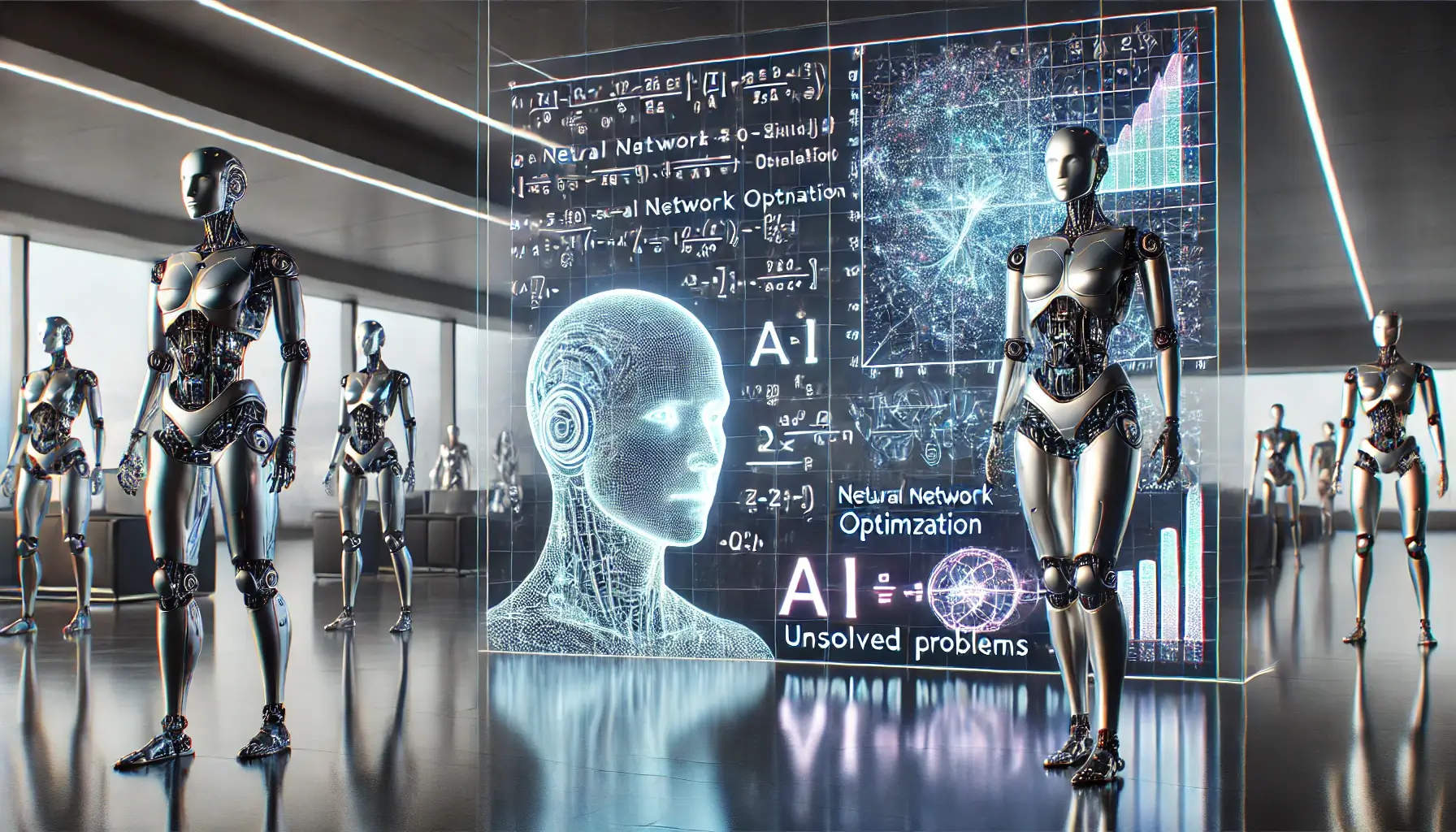
  2. Unsolved Equations Driving AI

    • Cutting-edge problems in AI mathematics, such as optimization in high-dimensional spaces, could unlock more efficient material recovery methods.

8. Educational and Policy Implications

  1. Public Awareness Campaigns

    • Educating communities about AI-powered recycling systems and their environmental benefits.
  2. Policy Development

    • Governments must adopt policies that incentivize technological innovation while ensuring ethical practices in recycling.

Conclusion

The integration of advanced mathematics, quantum mechanics, and AI technologies will redefine the scrap metal recycling industry. These trends promise to enhance resource recovery, improve global collaboration, and create a truly circular economy. By staying ahead of these innovations, recyclers like That Metal Guy can lead the way in sustainable metal recycling.

Follow us on social media to stay up-to-date with the latest news, offers, and exciting giveaways! Connect with us on Facebook,Instagram, and Google to learn more about scrap metal recycling, exclusive deals, and much more. Don’t miss out—join our community today!