
How to Turn Recycling into a Side Business
Recycling can be a profitable and rewarding side business with low startup costs and high environmental impact. By collecting and selling scrap metal, electronics, and other recyclables, you can create a steady stream of income while contributing to sustainability. Here’s a step-by-step guide to turning recycling into a viable side business.
1. Identify Your Niche
Scrap Metal Recycling
- Collect ferrous and non-ferrous metals like steel, aluminum, copper, and brass.
- Example Sources: Construction sites, old appliances, and discarded vehicles.
E-Waste Recycling
- Focus on electronics like computers, phones, and TVs that contain valuable metals.
- Key Benefit: Extracting gold, silver, and palladium from circuit boards.
Specialized Recycling
- Niche markets like battery recycling, catalytic converters, or rare earth metals.
- Example: Lithium-ion batteries from EVs or LED components.
2. Gather Essential Tools and Equipment
Basic Tools
- Gloves, magnets (to identify ferrous metals), and a metal cutter.
Advanced Equipment
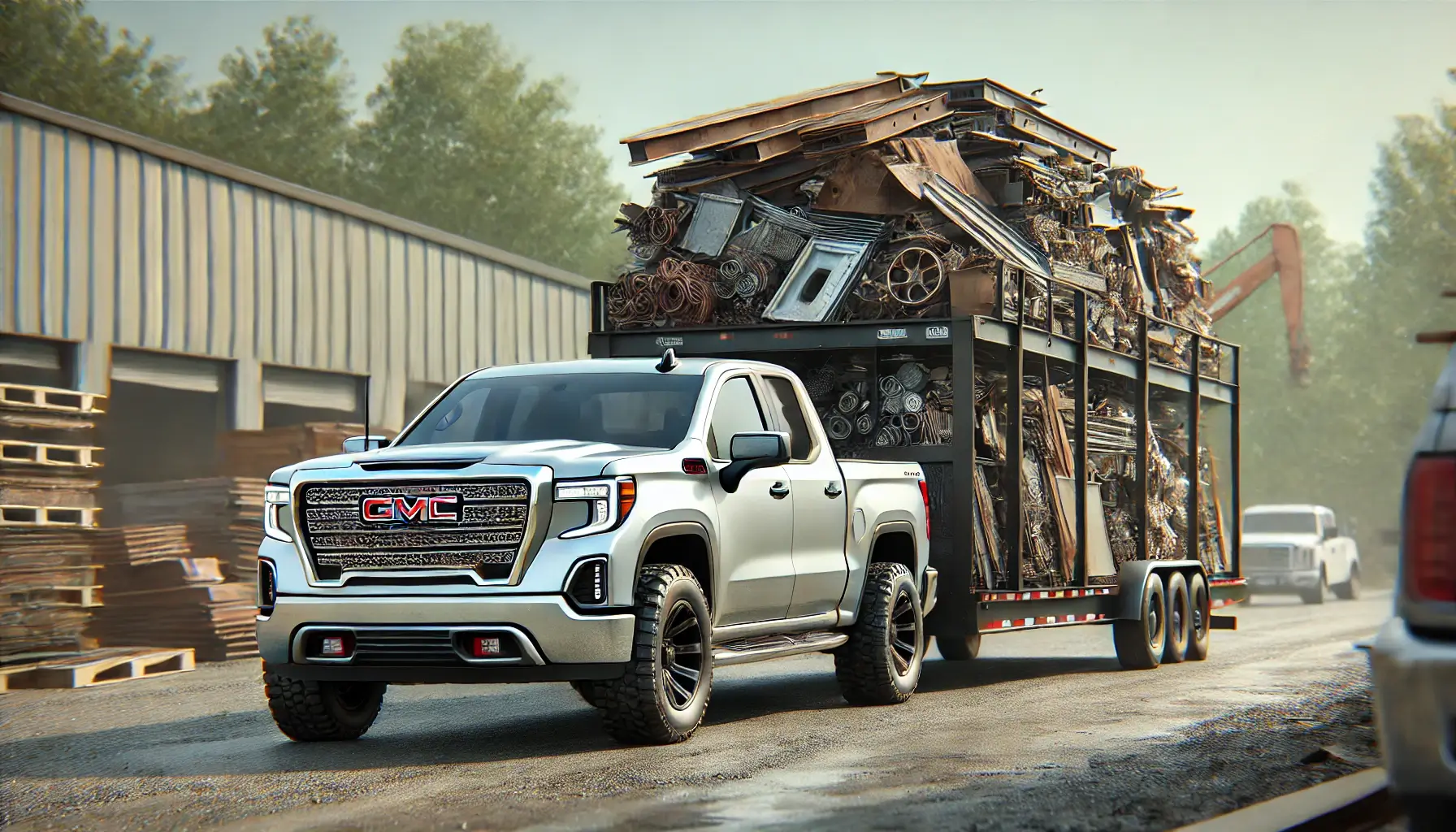
- A small truck or trailer for transporting recyclables.
- A digital scale to weigh materials accurately.
Storage Solutions
- Organize materials in bins or a dedicated workspace to keep ferrous and non-ferrous metals separate.
3. Learn Local Laws and Regulations
Licensing and Permits
- Check municipal requirements for collecting and selling scrap.
- Some areas may require a business license or permits for certain materials.
Environmental Compliance
- Follow regulations for handling hazardous materials like refrigerants or batteries.
Reporting Income
- Declare your earnings and keep accurate records for tax purposes.
4. Build a Network
Scrap Yards and Recyclers
- Partner with local scrap yards to sell your materials at competitive rates.
Community Sources
- Inform neighbors and businesses that you collect unwanted recyclables.
- Distribute flyers or post on community boards and social media.
Business Partnerships
- Collaborate with construction companies, electricians, and appliance repair shops to collect scrap.
5. Collect and Sort Materials
Find Sources of Scrap
- Look for scrap at garage sales, dumpsters, and curbside collections.
- Offer free pickup services to attract more clients.
Sort for Maximum Profit
- Separate metals by type and remove non-metal components to increase their value.
- Example: Stripping copper wiring before selling it.
6. Focus on Efficiency
Plan Routes
- Optimize collection routes to save on fuel and time.
Batch Processing
- Process and prepare materials in bulk to reduce trips to the recycler.
Invest in Better Tools
- As your business grows, consider purchasing equipment like a hydraulic press or shredder.
7. Market Your Services
Social Media Presence
- Share your recycling efforts on platforms like Facebook and Instagram.
- Use hashtags like #RecyclingBusiness or #SustainableLiving.
Community Engagement
- Participate in local recycling events to spread awareness and gain clients.
Highlight Your Impact
- Showcase the environmental benefits of your business to attract eco-conscious clients.
8. Track Your Finances
Expenses
- Record costs for fuel, tools, and storage.
Earnings
- Track income from each type of material to identify profitable niches.
Reinvestment
- Use profits to expand your business, such as by buying a larger vehicle or better equipment.
9. Scale Your Business
Expand Your Services
- Offer specialized recycling services like e-waste disposal or hazardous material handling.
Hire Help
- Bring on part-time workers as your client base grows.
Establish a Brand
- Create a logo and website to make your business stand out.
10. Benefits of Starting a Recycling Business
Financial Gain
- Generate income from materials that would otherwise be discarded.
Environmental Impact
- Reduce waste and conserve resources by diverting recyclables from landfills.
Flexibility
- Operate on your schedule, making it ideal as a side business.
Conclusion
Recycling as a side business is not only profitable but also impactful. With the right tools, knowledge, and network, you can turn waste into wealth while making a positive difference for the planet. Start small, stay organized, and grow your business over time by reinvesting profits and expanding services. Contact That Metal Guy for insights and support to get started.